10 RV Storage Tips to Protect Your Rig
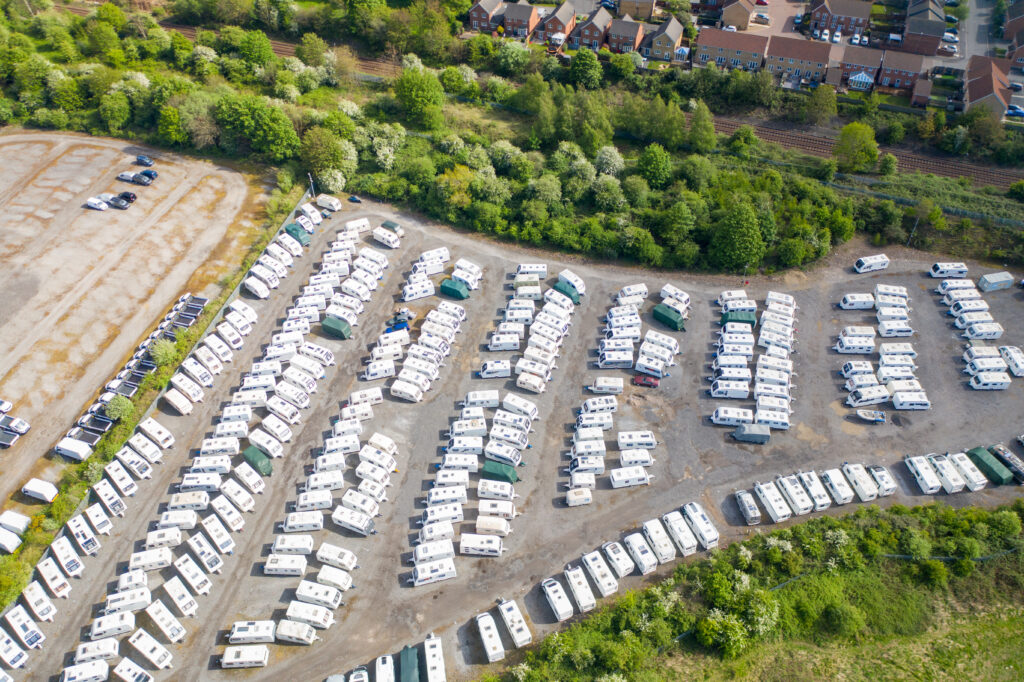
Unless you’re living in it full time, you’re going to have to store your RV sometime. Knowing the right RV storage tips before you put your rig away can make all the difference. Without proper preparation, you could come back to dead batteries, pest infestations, water damage, mold growth, and tire damage – none of which make for a fun start to camping season. The good news is that these problems are entirely preventable. These RV storage tips cover everything from cleaning and pest control to batteries and plumbing, so you can rest easy knowing your rig is protected. Here’s what you need to know.
1. Give It a Thorough Cleaning
Start by cleaning the RV inside and out. On the outside, make sure to get rid of dirt, road salt, tree sap, bugs, and bird droppings. These things can damage your RV’s finish if left sitting.
Inside, vacuum carpets, wipe down surfaces, clean the bathroom, and empty all trash. Remove all food from the RV as well. Liquids can freeze and burst, and crumbs, food residue, and leftover food all attract pests. Additionally, mice will often use tissues and toilet paper to build nests, something you definitely don’t want to come back to when camping season rolls around again, so make sure to remove those things from the RV.
Clean the fridge and freezer and leave both doors open to prevent mold, mildew, and stink.
2. Protect Against Rodents
Removing food and tissues from the rig will definitely help protect your rig from mice, but because they can cause so much damage, it’s a good idea to take extra steps to keep the rodents away.
Seal any visible openings around pipes, wiring, or under cabinets. Remember that mice can squeeze through a hole the size of a dime. You’ll also want to remove anything that could be used as nesting material. This includes tissues as mentioned above, but also things like blankets, which they will shred.
Personally, I also like to use peppermint oil on cotton balls to deter the little critters. Some people will use dryer sheets or ultrasonic devices for the same reason. Traditional traps can also be placed inside the RV as an added precaution.
3. Take Care of the Batteries
Many RV owners forget about their batteries when they put their rigs into storage. I know I have on more than one occasion. The thing is, if your RV sits for months with batteries connected, they can discharge completely. This shortens their lifespan.
Before storage:
- Fully charge all batteries.
- Disconnect the battery or use the battery disconnect switch.
- If possible, connect the battery to a quality maintenance charger designed to keep it at the proper charge level.
- Clean battery terminals and check for corrosion.
4. Protect Your Tires
Tires are one of the most important parts of your RV. If they aren’t maintained, you could be put in a dangerous situation next time you get on the road. For this reason, you will want to make sure you protect your tires from dry rot, flat spots, and excessive UV exposure while your RV is in storage.
If your RV will be stored for an extended period, make sure to inflate tires to the correct pressure, cover them with tire covers, and move the RV occasionally to avoid flat spots.
5. Empty and Winterize the Plumbing System
You definitely don’t want to overlook your plumbing system. If temperatures drop below freezing while your RV is being stored, water in the water lines, pipes, and tanks can freeze, expand, and cause significant damage to your RV plumbing system. To prevent this, be sure to winterize the system before winter storage.
Depending on your climate, winterization may include:
- Draining fresh, gray, and black water tanks.
- Emptying the water heater.
- Bypassing the water heater.
- Blowing out water lines with compressed air or pumping RV antifreeze through the plumbing system.
- Pouring antifreeze into sink and shower drains to protect P-traps.
6. Check the Roof and Seals
Water damage to your RV is something you definitely don’t want to mess with. Before putting your RV in storage, make sure it is totally leak-free.
Inspect:
- Roof seams
- Skylights
- Roof vents
- Window seals
- Exterior lights
- Corner trim
- Slide-out seals
Repair cracked or peeling sealant right away and be sure to check in on your RV as often as possible. The sooner you catch a leak, the less water damage you’ll be dealing with.
7. Care for the Fuel System
If your RV has a motor, you’ll also need to take care of the fuel system. Fill the fuel tank to reduce condensation and add a fuel stabilizer. Remember to run the engine for several minutes afterward so the stabilized fuel circulates through the system.
Generator owners should also prep their generators for storage by following the instructions provided by the manufacturer.
8. Shut Off Propane
Don’t forget to turn off the propane supply before storage! While you’re at it, inspect hoses and fittings for signs of wear or cracking, and make sure propane appliances are switched off.
9. Choose the Right Storage Location
Believe it or not, where you store your RV matters almost as much as how you prepare it. If it’s possible to store your rig indoors, this is always the best option. If indoor storage is not possible, storing under some sort of cover is the next best option. Of course, not everyone can do that. If you have to store outdoors, consider using a breathable RV cover designed for your rig.
10. Visit Your RV Periodically
It can be easy to lock the RV up and forget about it. Don’t. Inspect the rig at least every couple of weeks if at all possible. This allows you to look for leaks, pests, moisture buildup, theft, and more. Catching issues early could save you a big headache later.
There you have it, everything you need to know before storing your RV. Use these tips, and everything should be smooth sailing!
About the Author: Chelsea Gonzales
Chelsea Gonzales is a full-time RVer and freelance writer with over six years of experience living and traveling on the road. Having visited more than 25 states, she writes from real experience, bringing practical, firsthand insight to every topic she covers. Chelsea is a recognized voice in the RV lifestyle space, known for turning on-the-road knowledge into content that actually helps fellow RVers make the most of their adventures.

The Airstream purchase experience at Blue Compass Airstream of Austin, with Taylor in sales and Holly in finance was outstanding. First class dealership that will truly find the best Airstream to fit you and your family into. The personnel were exceptionally trained in their product and will guide you through the process to get you out there “Streaming”!